The training was grounded in the broader vision of the project, which seeks to empower young people and youth workers to actively contribute to the promotion of LGBTQI+ rights through storytelling and audiovisual production. In this context, videomaking was not treated merely as a technical skill, but as a powerful medium capable of influencing perceptions, challenging stereotypes, and fostering empathy.
The objectives of the training were therefore twofold.
This dual approach reflects the project’s alignment with Erasmus+ priorities, especially those related to inclusion, diversity, and active citizenship. By integrating creative expression with civic engagement, the training created a space where participants could develop both professionally and personally, while also contributing to a broader societal impact.
The methodological approach adopted during the training was based on non-formal education principles, privileging active participation, experiential learning, and peer-to-peer exchange. Rather than relying on traditional lecture-based teaching, the programme encouraged participants to learn through doing, reflecting, and collaborating.
Interactive workshops, group discussions, and practical exercises were combined to create a dynamic and inclusive learning environment. Particular attention was given to intercultural dialogue, as the diversity of participants’ backgrounds was considered a key resource for learning. This approach not only facilitated the acquisition of new skills, but also fostered mutual understanding and respect among participants.
The structure of the training allowed for a gradual progression from theoretical knowledge to practical application. Participants first engaged with the conceptual dimensions of human rights and LGBTQI+ advocacy, and subsequently translated these insights into concrete audiovisual productions.
The training programme unfolded over several days, each designed to address specific learning objectives while contributing to a coherent overall process.
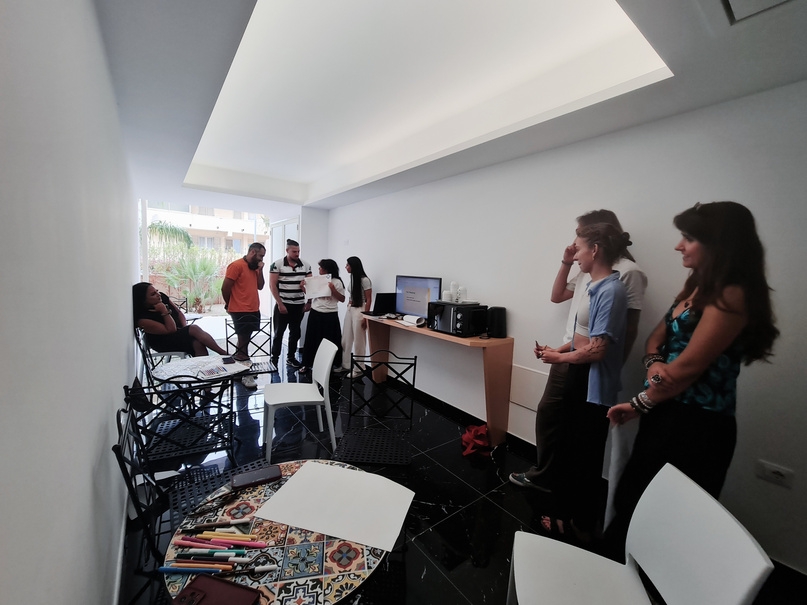
The initial phase focused on group building and the creation of a safe and inclusive environment. Through informal activities and facilitated sessions, participants were encouraged to get to know each other, establish trust, and develop a sense of belonging. This was a crucial step in ensuring effective collaboration in the following days.
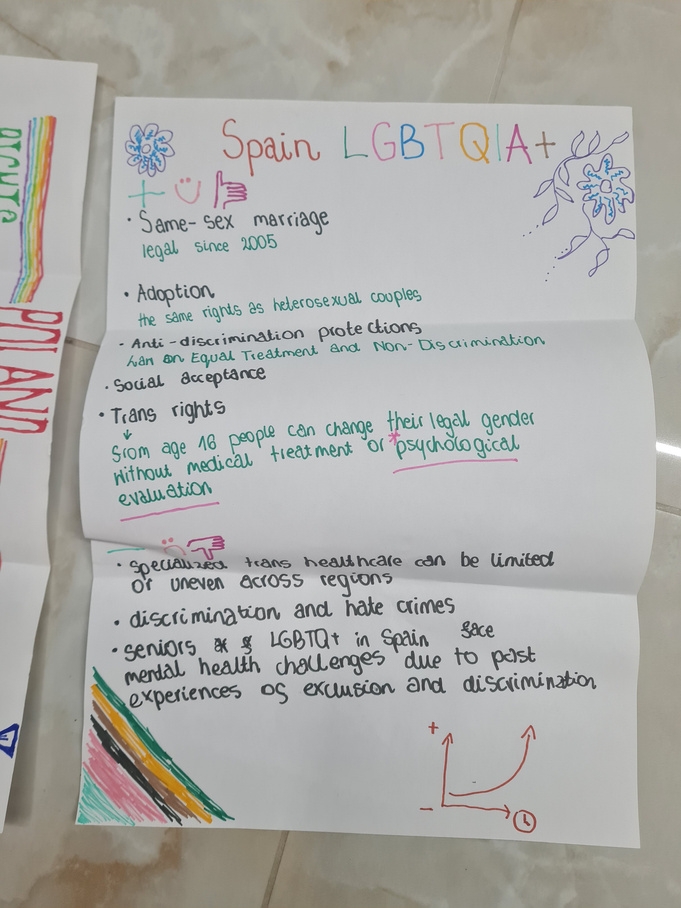
The subsequent sessions were dedicated to the exploration of human rights, with a particular emphasis on the situation of LGBTQI+ communities in different European contexts. Participants engaged in comparative analysis, examining legal frameworks, social attitudes, and existing challenges in their countries. This process not only enhanced their analytical skills, but also broadened their perspective on the diversity of experiences within Europe.
A deeper focus on legal aspects further enriched this understanding, providing participants with a more structured knowledge of rights, protections, and ongoing gaps at both national and European levels. This component contributed significantly to strengthening their civic awareness and their ability to engage in informed advocacy.
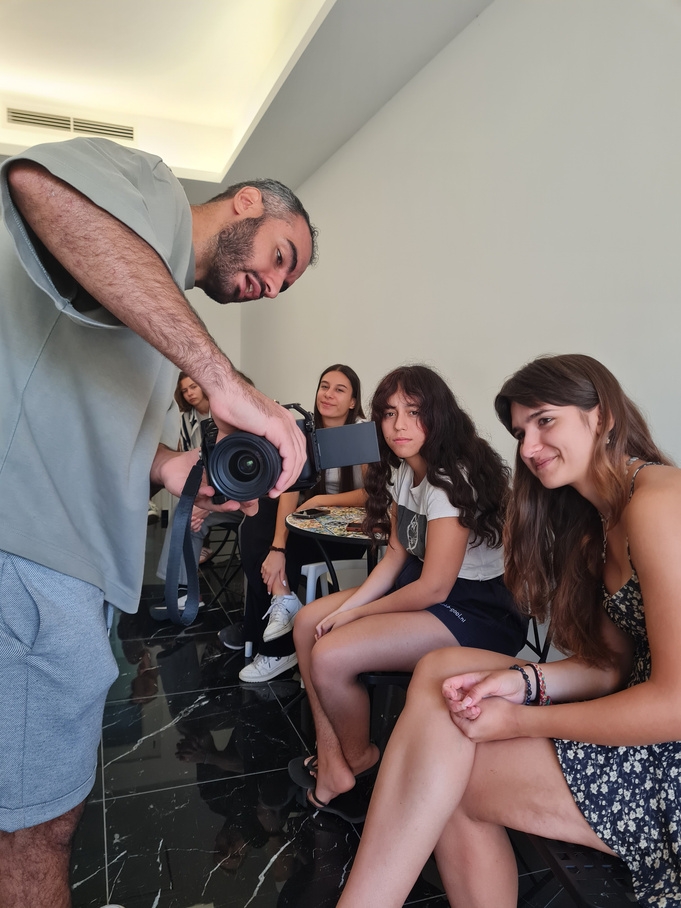
Following this theoretical foundation, the training shifted towards its core component: videomaking. Participants were introduced to the basic principles of audiovisual production, including camera use, framing, storytelling, and editing. Emphasis was placed on the narrative dimension of filmmaking, highlighting how stories can be constructed to convey powerful messages and generate emotional engagement.
The practical phase involved the creation of short video projects in international groups. This collaborative work required participants to apply their newly acquired skills while also negotiating roles, managing time, and working across cultural differences. The process itself became a learning experience, reinforcing both technical competences and transversal skills such as teamwork, communication, and problemsolving.
The final stage of the training addressed the dissemination of audiovisual content. Participants explored strategies for promoting their work through social media and digital platforms, reflecting on how to maximise the reach and impact of their messages. This component highlighted the importance of not only producing content, but also ensuring that it effectively reaches and engages target audiences.
The training generated significant learning outcomes across multiple dimensions. Participants developed concrete technical skills related to videomaking, gaining confidence in using audiovisual tools and in expressing ideas through visual narratives. At the same time, they strengthened their understanding of LGBTQI+ rights and the broader framework of human rights, enhancing their capacity to critically analyse social issues.
Equally important were the transversal competences developed throughout the training. Working in international teams fostered intercultural communication and adaptability, while the collaborative nature of the activities reinforced teamwork and leadership skills. Participants were also encouraged to think creatively and to approach challenges with a problemsolving mindset.
A particularly relevant outcome was the development of advocacy competences. By combining storytelling with social issues, participants learned how to design messages that are both engaging and meaningful, positioning themselves as active contributors to social change rather than passive observers.
The impact of the training can be observed at several levels.
participants reported increased awareness, confidence, and motivation to engage in social issues, particularly those related to LGBTQI+ rights. The experience enabled them to see themselves as agents of change, capable of using creative tools to influence their communities.
the training contributed to strengthening the capacities of the partner organisations. By sharing knowledge, methodologies, and experiences, the partners were able to enhance their approaches to youth work and advocacy, particularly in the field of audiovisual communication.
the training reinforced European values of inclusion, equality, and respect for diversity. The transnational nature of the activity facilitated the exchange of perspectives and the creation of networks that will continue beyond the duration of the project. This European dimension represents a key added value, as it enables local actions to be connected to a wider framework of cooperation and shared objectives.
The “Empowerment Through Film” training course successfully demonstrated the potential of videomaking as a tool for education, advocacy, and social transformation. By integrating technical training with human rights education, the activity provided participants with a comprehensive set of competences that are both relevant and transferable.
Beyond the acquisition of skills, the training fostered a deeper sense of responsibility and engagement among participants, encouraging them to actively contribute to the promotion of inclusion and equality. In this sense, the activity not only achieved its immediate objectives, but also laid the groundwork for a longer-term impact, both at the individual and community levels.
The experience confirms the value of combining non-formal education with creative methodologies, highlighting the role of youth as key actors in building a more inclusive and equitable society.
Download the report